
Tips for Creating a Productive Home Office Environment
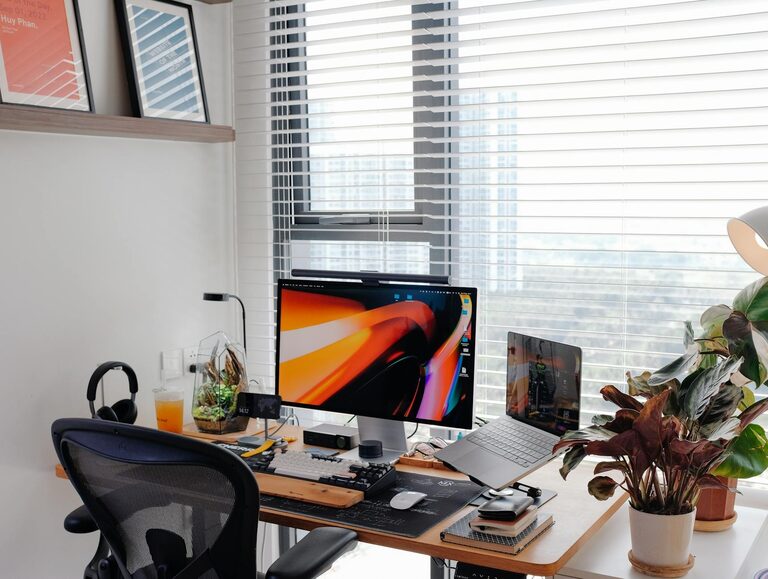
Creating a productive home office environment is essential for many people working remotely or running a business from home. An effective workspace can help you stay focused, organised, and motivated, which ultimately leads to better work outcomes and a healthier work-life balance.
In this article, we’ll explore practical tips to help you design a home office that supports productivity and comfort. Whether you have a dedicated room or a small corner, these suggestions can be adapted to suit your space and needs.
Choose the Right Location
Selecting the best spot for your home office is the first step towards creating a productive workspace. Consider the following:
– Natural Light: Try to position your desk near a window to benefit from natural daylight, which is known to improve mood and focus.
– Quietness: Choose a part of your home that is relatively free from noise and distractions. Avoid high-traffic areas if possible.
– Space: Ensure there is enough room to accommodate your essential equipment and allow for movement.
Invest in Ergonomic Furniture
Comfort is vital when you spend long hours working. Proper furniture reduces the risk of discomfort and injury.
– Desk: A desk that suits your height and work style can help maintain good posture.
– Chair: An ergonomic chair with adjustable height, lumbar support, and armrests supports your back and prevents strain.
– Accessories: Consider footrests, wrist supports, or monitor stands if necessary.
Organise Your Workspace
A clutter-free environment promotes better concentration and efficiency.
– Storage Solutions: Use shelves, drawers, and organisers to keep documents and supplies neatly stored.
– Cable Management: Keep cables tidy with clips or sleeves to avoid tangling and to make your space look clean.
– Desk Layout: Keep only the essentials on your desk, such as your computer, a notebook, and writing tools.
Optimise Lighting
Proper lighting prevents eye strain and sets a pleasant mood for work.
– Layered Lighting: Combine natural light with overhead lighting and task lamps.
– Adjustable Lighting: Use lamps with adjustable brightness to match the time of day and task.
– Screen Position: Position your computer screen to avoid glare from windows or lights.
Minimise Distractions
Remaining focused can be challenging in a home environment.
– Set Boundaries: Communicate your work hours to family or housemates to reduce interruptions.
– Use Headphones: Listening to ambient or instrumental music can help drown out noise.
– Disable Notifications: Turn off non-essential notifications on your devices during work periods.
Personalise Your Space
While maintaining professionalism, adding personal touches can make your workspace more inviting.
– Plants: Indoor plants improve air quality and add a calming element.
– Artwork and Photos: Select items that inspire and motivate you without causing clutter.
– Colours: Choose colours that promote concentration, such as blues or greens.
Establish a Routine
A structured daily routine encourages productivity and helps separate work from personal time.
– Set Working Hours: Define clear start and finish times to maintain balance.
– Regular Breaks: Take short breaks to stretch, rest your eyes, and stay energised.
– Plan Tasks: Use to-do lists or digital planners to prioritise work and track progress.
Utilise Technology Effectively
Leverage technology to streamline your workflow.
– Reliable Internet: Ensure you have a fast and stable internet connection.
– Productivity Apps: Tools like calendars, task managers, and time trackers help organise your day.
– Backup Solutions: Regularly back up your work to prevent data loss.
Keep Your Workspace Clean
A clean environment helps reduce stress and keeps germs at bay.
– Daily Tidying: Spend a few minutes at the end of each day to clear your desk.
– Regular Cleaning: Wipe surfaces and equipment weekly.
– Air Circulation: Keep windows or vents open to allow fresh air.
—
By following these tips, you can create a home office that not only meets your practical needs but also supports your well-being and productivity. Remember, a well-designed workspace is an investment in your work and health. Start small, tweak what doesn’t work, and make your home office a place you enjoy spending time in.
Related Post
How to Create a Productive Home Office Environment
Discover practical tips to design a home office that boosts focus, comfort, and efficiency for [...]
Simple Decor Tips for a Relaxing Home Environment
Discover easy decor changes that can transform your home into a calm and relaxing space [...]
Budget-Friendly Tips for a Cosy and Inviting Living Room
Create a warm and welcoming living room without overspending. Discover simple, budget-friendly ideas to make [...]