
How to Create a Productive Home Office Environment
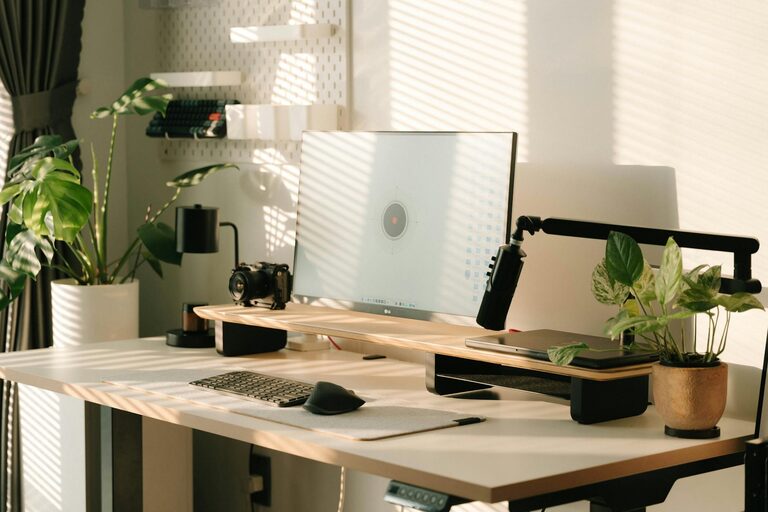
Working from home has become increasingly common, making it essential to create a productive home office environment. A well-designed workspace helps you stay focused, comfortable, and motivated throughout the day. Whether you’re freelancing, running a business, or working remotely, these tips will help you set up a home office that supports your best work.
Choose the Right Space
Find a Dedicated Area
Select a specific area in your home to serve as your office, ideally separate from high-traffic zones like the kitchen or lounge. A dedicated space helps your brain associate the area with work, increasing concentration and boundaries between professional and personal life.
Consider Natural Light
If possible, position your desk near a window to take advantage of natural light. Sunlight can improve mood and alertness, reducing eye strain compared to artificial lighting. However, avoid glare on your screen by adjusting blinds or curtains.
Invest in Comfortable Furniture
Ergonomic Chair and Desk
Comfort is key to sustaining productivity. Choose an ergonomic chair with lumbar support and adjustable features so you can maintain good posture. Your desk should be at a height that allows your forearms to rest comfortably parallel to the floor while typing.
Organised and Spacious Desk
Ensure your desk has enough space for your computer, notes, and other tools without feeling cramped. A cluttered surface can be distracting, so aim for a tidy and functional layout.
Minimise Distractions
Manage Noise Levels
Consider noise-cancelling headphones if your home is noisy or use white noise machines to mask background sounds. Communicate work hours to family or housemates to reduce interruptions.
Limit Digital Distractions
Turn off non-essential notifications on your computer and phone while working. Use apps that block distracting websites during focus sessions if needed.
Optimise Lighting and Temperature
Balanced Lighting
Supplement natural light with adjustable artificial lighting so your workspace is well-lit throughout the day. Soft, warm LED lights reduce eye fatigue better than harsh, bright florescent lighting.
Comfortable Temperature
Maintain a comfortable room temperature, ideally between 18°C and 22°C. Being too hot or cold can reduce focus and energy levels.
Stay Organised
Use Storage Solutions
Keep your office supplies and documents organised using shelves, drawers, and organisers. A clutter-free environment helps clear your mind and saves time searching for items.
Plan Your Day
Use planners or digital calendars to structure your workday. Prioritise tasks and set realistic goals to maintain momentum and avoid feeling overwhelmed.
Personalise Your Space
Add Motivating Elements
Include personal touches such as plants, artwork, or inspirational quotes that make your workspace inviting. Plants can improve air quality and provide a calming effect.
Keep It Functional
While personalising, ensure decorations do not overcrowd your space or distract from work. Balance aesthetics with practicality.
Take Regular Breaks
Follow the 20-20-20 Rule
Every 20 minutes, look at something 20 feet away for 20 seconds to reduce eye strain.
Incorporate Movement
Stand up, stretch, or walk around periodically to boost circulation and reduce fatigue. Consider using a standing desk or desk converter to vary your posture.
Use Technology Wisely
Reliable Equipment
A fast internet connection, good quality headset, and up-to-date software improve efficiency and reduce frustration.
Backup and Security
Regularly back up your data and use secure passwords to protect your work.
—
Creating an effective home office environment takes some thought and effort, but the benefits are well worth it. By selecting the right space, investing in comfort, minimising distractions, and organising your day, you can build a productive setup that helps you work smarter from home.
Related Post
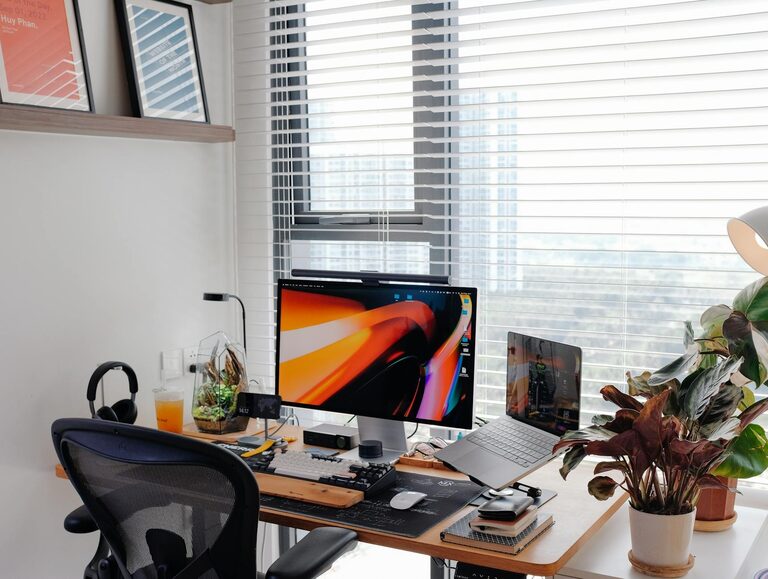
Tips for Creating a Productive Home Office Environment
Discover practical tips to set up an efficient and comfortable home office that boosts focus [...]
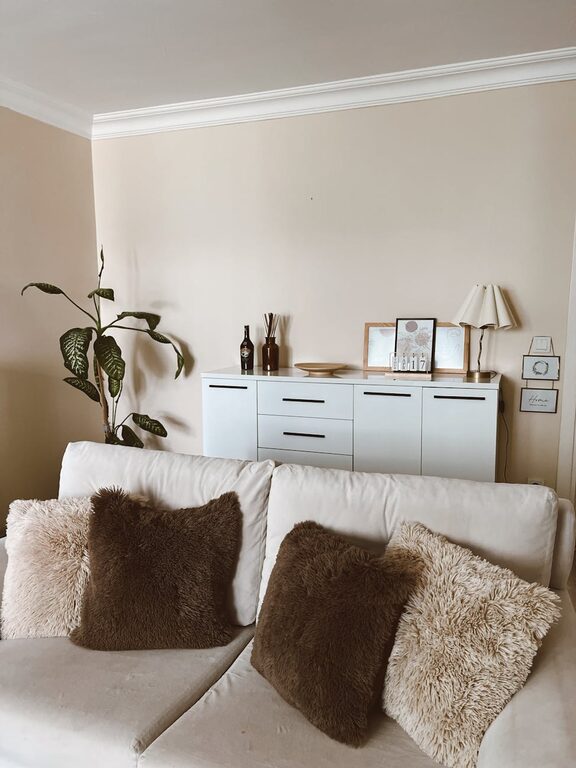
Tips for Creating a Cosy and Inviting Living Room on a Budget
Discover practical and affordable ways to transform your living room into a cosy, welcoming space [...]

Budget-Friendly Tips for a Cosy and Inviting Living Room
Create a warm and welcoming living room without overspending. Discover simple, budget-friendly ideas to make [...]