
Tips for Creating a Cosy and Inviting Home Office Space
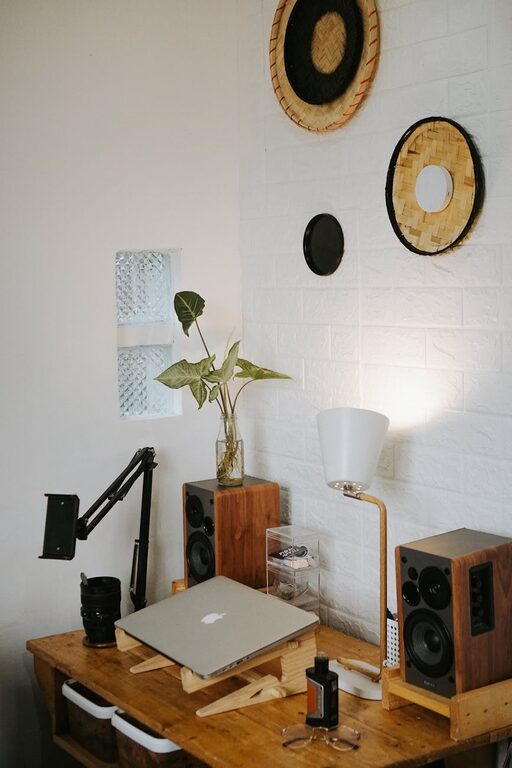
Creating a home office that feels both cosy and inviting can make a significant difference in your daily work experience. Whether you’re working remotely, running a home business, or simply need a dedicated space for tasks and projects, your environment can influence your mood, focus, and efficiency. In this post, we’ll explore practical and stylish tips to help you craft a home office that you look forward to spending time in.
Choose the Right Location
The first step in designing a cosy home office is selecting the best place within your home. Ideally, this should be a quiet spot with minimal distractions and good natural light.
– Consider a separate room: If possible, use a spare room or a quiet nook where you can close the door and separate work from household noise.
– Utilise natural light: Position your desk near a window to enjoy daylight, which can improve mood and reduce eye strain.
– Avoid high-traffic areas: Spaces near the front door or kitchen might feel too busy or noisy for focused work.
If space is limited, a dedicated corner or even a desk behind a room divider can help create a defined workspace.
Invest in Comfortable and Functional Furniture
Comfort is key when setting up a home office. Your furniture should support your body and allow you to work efficiently.
– Ergonomic chair: Choose a chair with adjustable height, good lumbar support, and comfortable cushioning to keep you comfortable during long work sessions.
– Sturdy desk: Select a desk large enough to accommodate your computer, paperwork, and any accessories without feeling cramped.
– Storage solutions: Include shelves, filing cabinets, or organisers to keep your desk tidy and reduce clutter.
Comfortable furniture encourages good posture and reduces fatigue, helping you stay productive throughout the day.
Use Soothing Colours and Textures
Colours can dramatically affect how a room feels. For a cosy home office, opt for soft, calming tones and textures that create a welcoming atmosphere.
– Neutral bases: Whites, creams, soft greys, and beige create a clean backdrop that feels open and airy.
– Accent colours: Add pops of muted blues, greens, or dusty pinks for calming contrast without overwhelming.
– Textiles: Incorporate soft cushions, throws, or a rug to add warmth and texture to your space.
Avoid overly bright or harsh colours, which can be distracting or tiring over long periods.
Personalise Your Space
Make your home office your own with personal touches that inspire and motivate.
– Artwork and photos: Hang prints or photos that you love or that make you feel happy.
– Plants: Adding greenery brings life to your workspace, improves air quality, and reduces stress.
– Inspirational objects: Keep items on your desk that encourage creativity, such as books, journals, or meaningful mementos.
Personalisation helps create a sense of ownership and increases your connection with your workspace.
Prioritise Good Lighting
Along with natural light, adequate artificial lighting is important to avoid eye strain and create a cosy mood.
– Desk lamp: Choose an adjustable desk lamp for focused task lighting.
– Ambient light: Soft, warm overhead lighting or floor lamps create a gentle atmosphere.
– Avoid glare: Position screens and light sources to reduce glare and reflections.
Layering different types of light helps you adjust the ambiance based on the time of day and your needs.
Keep Your Workspace Organised
A tidy workspace promotes focus and reduces stress, making your home office feel more inviting.
– Declutter regularly: Clear unnecessary papers, stationery, and gadgets to keep surfaces clean.
– Use organisers: Desk trays, drawer dividers, and cable management tools keep essentials orderly.
– Digital organisation: Keep your computer files well-organised with consistent folder structures and minimal desktop icons.
An organised space helps your creativity flourish and saves time when searching for materials.
Incorporate Comfort-Enhancing Elements
Small touches can greatly enhance the comfort of your home office.
– Temperature control: Use a fan, heater, or window vent to maintain a comfortable temperature.
– Soft background sounds: Consider a quiet fan, softly playing music, or white noise to improve concentration.
– Refreshment station: Keep a water bottle or tea nearby to stay hydrated without frequent interruptions.
These features contribute to a pleasant, supportive work environment.
Create Zones for Different Activities
If space permits, designate areas for various types of work to keep your routine fresh and adaptable.
– Focused work zone: Your main desk for computer work and meetings.
– Creative zone: A table or corner for brainstorming, sketching, or reading.
– Relaxation spot: A comfortable chair or small sofa for breaks and reflection.
Separating activities helps your brain switch gears and prevents monotony.
Final Thoughts
Crafting a cosy and inviting home office is about combining comfort, functionality, and personal style. With thoughtful choices about location, furniture, lighting, and decor, you can build a workspace that supports productivity while making you feel relaxed and motivated. Remember, your home office should be a place you enjoy being in every day – a space tailored to your unique needs and tastes.
By investing time and attention in your home office setup, you create an environment that not only helps you work better but also contributes positively to your overall wellbeing. Happy decorating!