
Tips for Creating a Sustainable Home Garden Throughout the Year
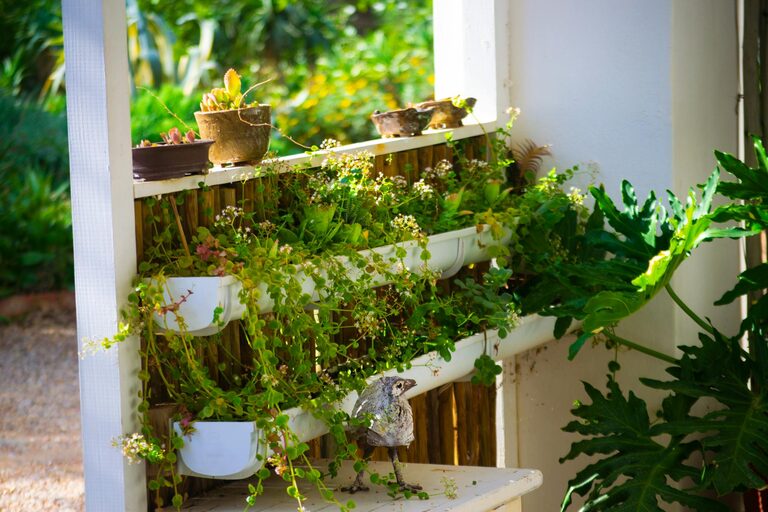
Creating a sustainable home garden is a rewarding way to enjoy fresh produce, beautiful plants, and a greener lifestyle. By focusing on eco-friendly and soil-friendly methods, you can maintain a thriving garden throughout the year. Whether you’re a beginner or an experienced gardener, these tips will help you support biodiversity, conserve resources, and make the most of every season.
Why Choose a Sustainable Garden?
A sustainable garden isn’t just about growing plants; it’s about working in harmony with nature. Sustainable gardening practices reduce waste, protect local wildlife, and improve soil health. Over time, this approach leads to a more resilient garden that requires less effort and fewer inputs such as water, fertilisers, or pesticides.
By adopting these principles, you’ll not only enjoy fresh home-grown fruits, vegetables, and flowers, but also contribute to a healthier planet.
Plan Your Garden for Year-Round Success
Planning is the foundation of a sustainable garden. Consider what you want to grow and how to arrange your plants to maximise space and resources.
Choose Native and Adapted Plants
Native plants are naturally suited to your local climate and soil, making them easier to grow with less need for extra water or chemicals. They also provide important habitat and food for native wildlife such as bees and butterflies.
If native plants don’t meet all your needs, choose varieties adapted to your region. Research plants with similar requirements to your local conditions for better chances of success.
Use Companion Planting
Companion planting involves growing species that benefit each other when planted close together. Some plants repel pests, others improve soil nutrients, and some provide shade or ground cover. For example:
– Marigolds can deter aphids and other pests.
– Beans fix nitrogen in the soil, helping nearby plants like tomatoes.
– Nasturtiums attract beneficial insects and protect brassicas.
Plan for Seasonal Changes
Stagger planting times to ensure your garden stays productive through each season. For example, plant cool-season crops like spinach or kale in autumn and spring, and warm-season crops like courgettes or peppers in summer.
Consider including evergreen shrubs and perennial herbs that add year-round structure and usefulness to your garden.
Improve Soil Health Naturally
Healthy soil is the backbone of a sustainable garden.
Compost Regularly
Composting kitchen scraps, garden waste, and fallen leaves produces rich organic matter that improves soil texture and fertility. Adding compost reduces the need for chemical fertilisers and supports beneficial soil organisms.
Practice Crop Rotation
Avoid planting the same crop in the same spot year after year. Rotating crops helps prevent soil nutrient depletion and reduces pests and diseases.
Mulch to Retain Moisture
Applying natural mulches like straw, bark, or shredded leaves keeps soil moist, suppresses weeds, and adds nutrients as it breaks down.
Save Water and Use It Wisely
Water is a precious resource, especially during dry spells.
Collect Rainwater
Using water butts to collect rainwater from your roof is a simple way to reduce mains water use. This water is free and naturally soft, making it great for plants.
Water at the Right Time
Water early in the morning or late in the evening to reduce evaporation. Focus on watering plant roots rather than leaves to ensure efficient absorption.
Choose Drought-Tolerant Plants
Incorporate plants that require less water, especially for borders and ornamental areas.
Encourage Wildlife and Pollinators
A sustainable garden supports local ecosystems.
Provide Habitat
Include features such as bird feeders, insect hotels, log piles, and ponds to attract a range of beneficial creatures.
Avoid Chemicals
Steer clear of synthetic pesticides and herbicides. Instead, manage pests with physical barriers, hand-picking, or natural predators like ladybirds.
Extend the Growing Season
Make the most of your garden throughout the year.
Use Greenhouses and Cold Frames
These structures protect plants from frost and allow you to start seedlings earlier or grow sensitive plants in colder months.
Grow Perennials
Plants like rhubarb, asparagus, and certain herbs come back year after year, providing seasonal harvests without the need to replant.
Plant Cover Crops
Cover crops, such as clover or mustard, improve soil fertility and protect bare soil in winter.
Maintain and Monitor Your Garden
Regular care ensures your sustainable garden thrives.
Observe Your Plants
Check for signs of pests, disease, or nutrient deficiencies early. This helps you take action quickly with natural remedies.
Prune and Deadhead
Removing dead or unhealthy growth encourages new life and prevents disease spread.
Keep Records
Track what you plant, successes, and challenges each year. This information helps improve your garden plan season by season.
—
By embracing these tips, you’ll build a vibrant and sustainable garden that flourishes year-round. Not only does this benefit your home environment, but it also fosters a deeper connection with nature and a more self-sufficient lifestyle. Happy gardening!